


 Donate
Immunology & Immunotherapy

Towards a world immune to cancer
Teaching the body to heal itself
Why does the immune system not stop cancers growing?
The immune system is the body’s natural defence against damage and danger Cancers are dangerous and different from normal cells of the body. The immune system can recognise and kill cancers.
Dr. Ehsan Ghorani is a CTRT supported researcher, leads the Immunology and Immunotherapy Unit at Imperial College London and is an internationally recognised expert in this field.
“The problem of why cancers grow despite an immune response has been a puzzle for a long time. Through our research into gestational and lung cancers, we have recently made a new framework to understand and tackle this, based on an understanding of how healthy body parts avoid being damaged by the immune system and how cancers copy this”
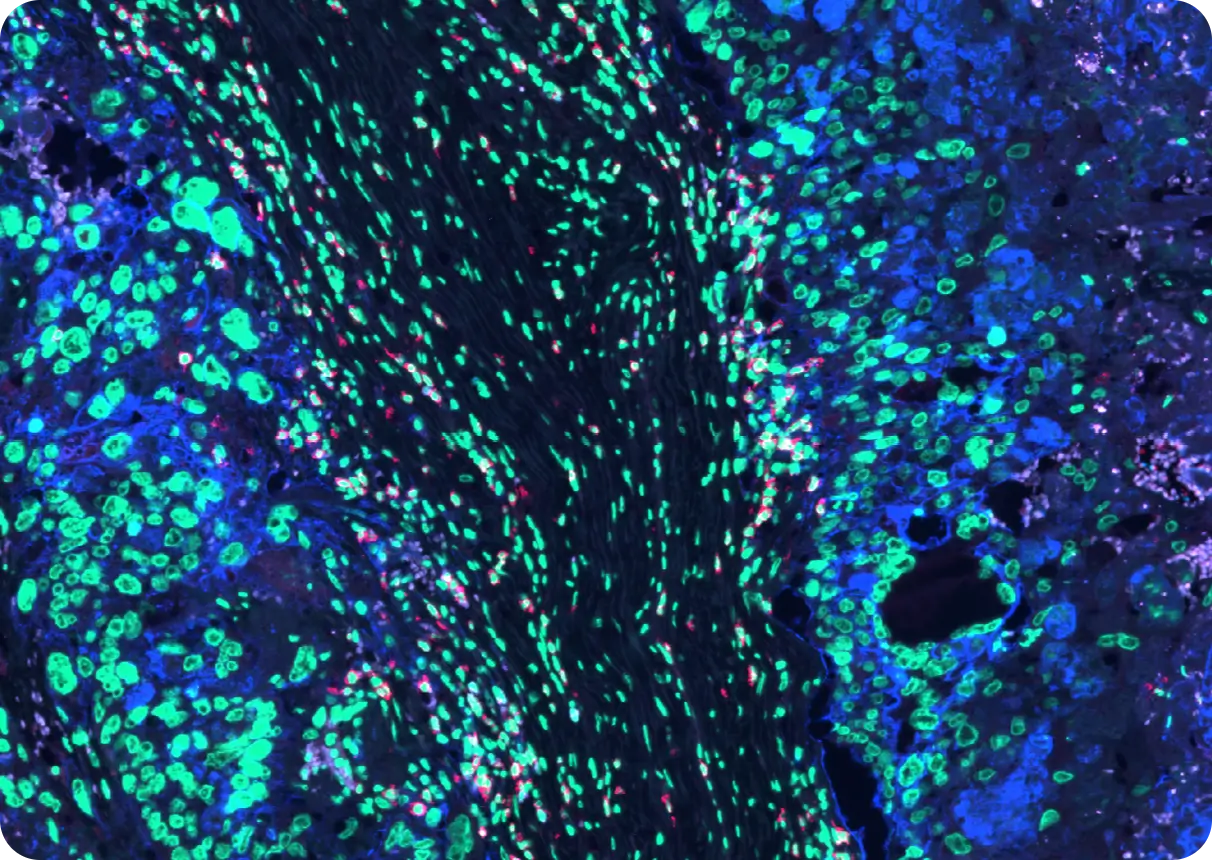
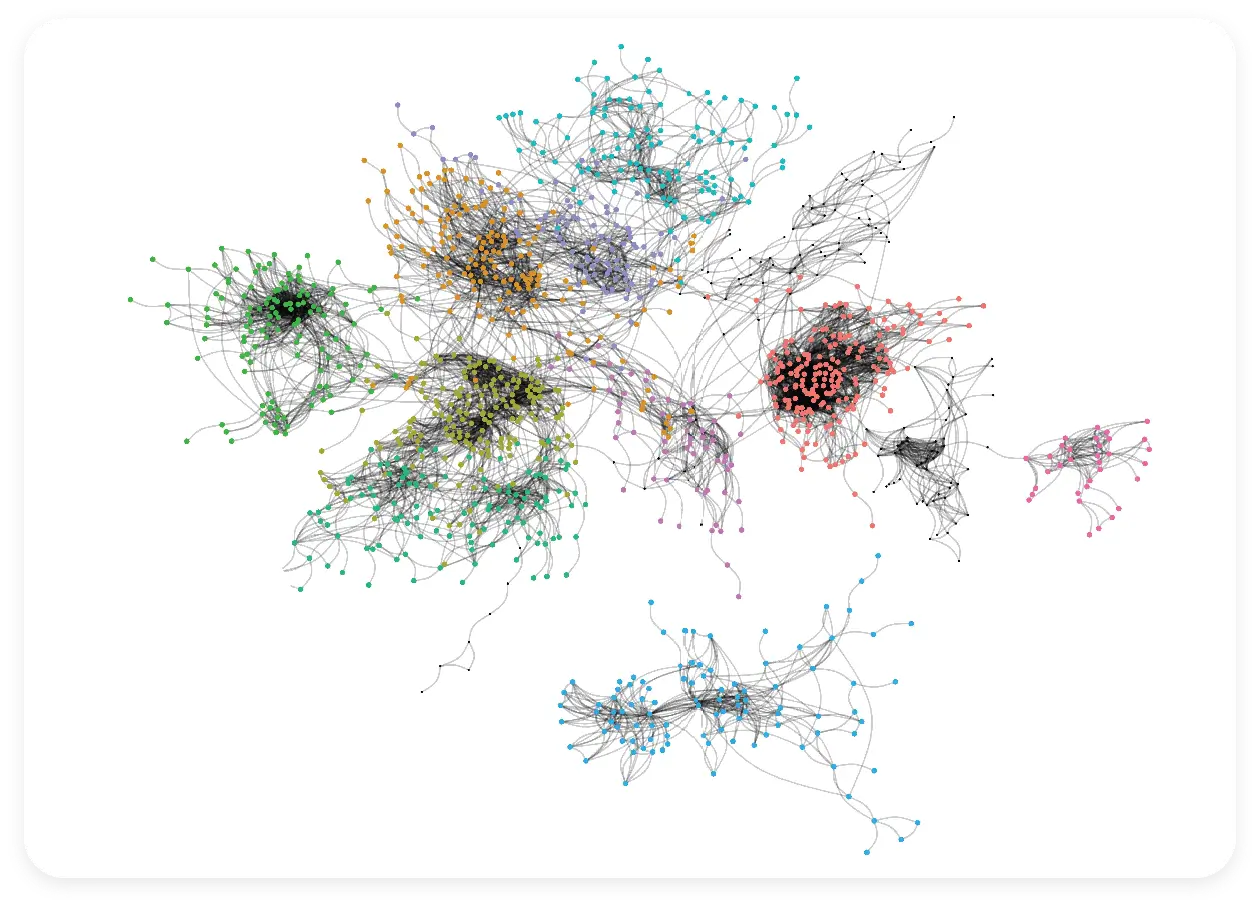
In health, normal body tissues have ways to avoid being noticed and damaged by the immune system. The placenta is an excellent example of this. Because the placenta comes from the baby and not the mother, it is like a transplant inside the mother. Normally, transplants are seen by the immune system as “foreign” and are eliminated. But the placenta survives using different methods.
One of these is by switching off immune cells. Gestational trophoblastic diseases (GTD), which are cancers that come from the placenta, copy this to become invisible to immune cells. Other cancers like lung and skin cancer do the same.
Dr. Ghorani: “By hijacking methods that normal cells use to hide from the immune system, cancers can continue to grow without being stopped. By studying GTD, we are finding out new ways of how cancers in general avoid immune destruction”
CTRT funded research is unravelling how cancers stop immune responses. Using this understanding, we contribute to making better treatments for patients.
How does immunotherapy work?
By understanding the off- and on-switches that control immune responses in health, researchers over the last 15 years have developed medicines called “immunotherapies” that re-activate the immune system. These immunotherapies help the body to heal itself and can result in incredible results – such as for Melody Ransome who was cured by immunotherapy.
 Donate Now
Spreading the benefits
Why can’t everyone be cured?
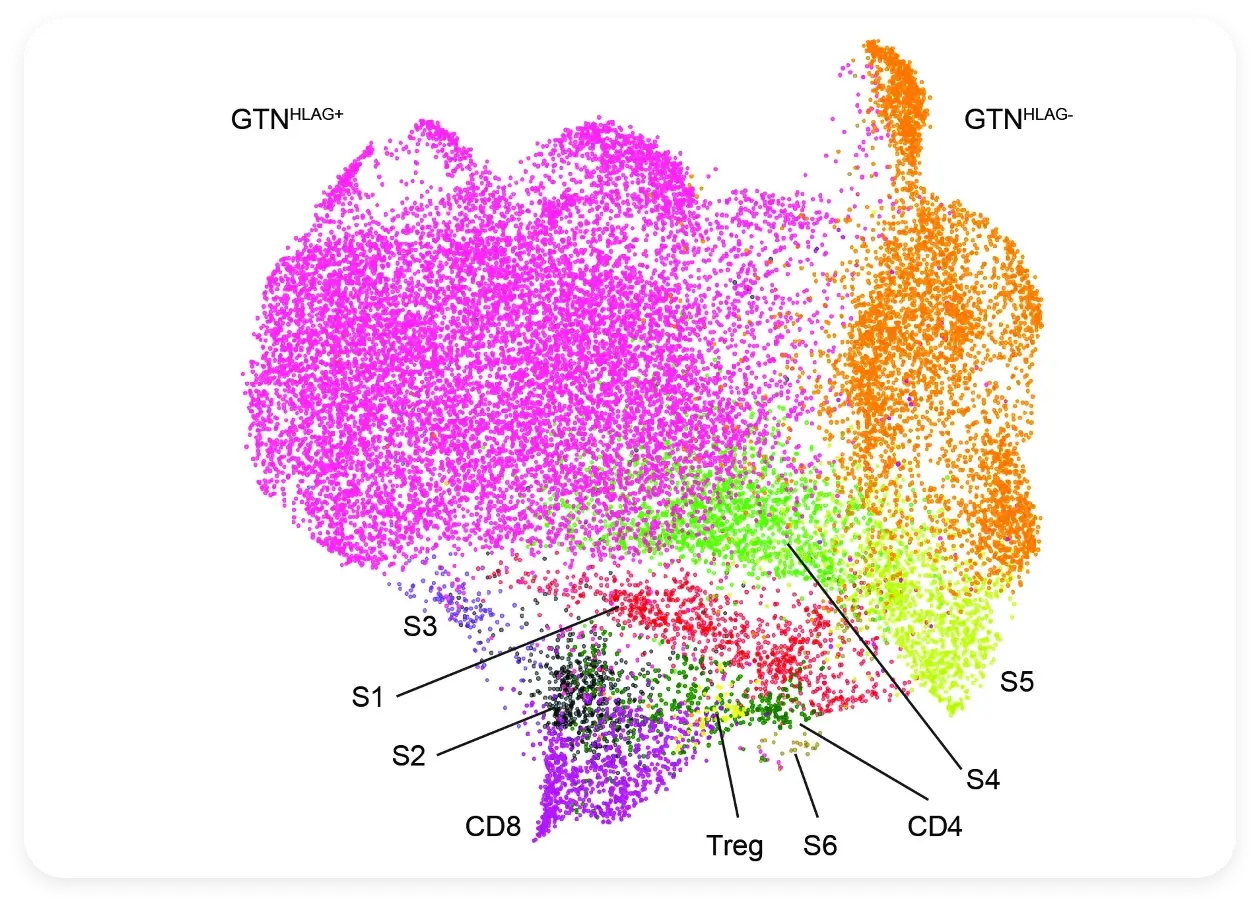
Work supported by CTRT has shown that most patients with GTD are cured with immunotherapy after just 6 months of treatment. The cure rate is double or more of what is seen in melanoma, lung and other cancer types. Some cancers have very little response to current immunotherapies. Why? Dr. Ghorani: “Our work has identified three pillars of immune evasion: immune cells are stopped from getting close to cancer cells, cancer cells hide parts of themselves that are needed for immune cells to see them so they become “invisible” and cancer cells switch off immune cells. Cancer cells use different combinations of methods and we need to understand and target them all”.
As GTD is so sensitive to immune therapy, CTRT researchers are studying why this is. The RESOLVE trial is the world’s only study of immunotherapy for an early kind of GTD called molar pregnancy. By studying how immunotherapy works using samples from RESOLVE, we hope to develop new treatments that can cure more patients.
CTRT research is also helping to develop new treatments in Uveal Melanoma and running multiple studies of other cancer types
Better ways to match patients to immunotherapies
Another important problem CTRT tackles is how to make sure the right immunotherapies are chosen for the right patient. Our work in lung cancer on the REFINE trial is developing new artificial intelligence tools using information from the blood, immune cells and CT scans to help accurately and routinely predict better ways to make sure the right treatment is given to the right patient. This is important to make sure we get the best response and reduce side effects.
CTRT supports the next breakthroughs
Your donation supports crucial research into understanding how cancers avoid the immune system and how this can be stopped. This research is leading to life-saving new treatments as well as new ways to ensure we give the right treatments at the right time.
Donate Now