


 Donate


Inflatable 5K Events
Various
Related Posts
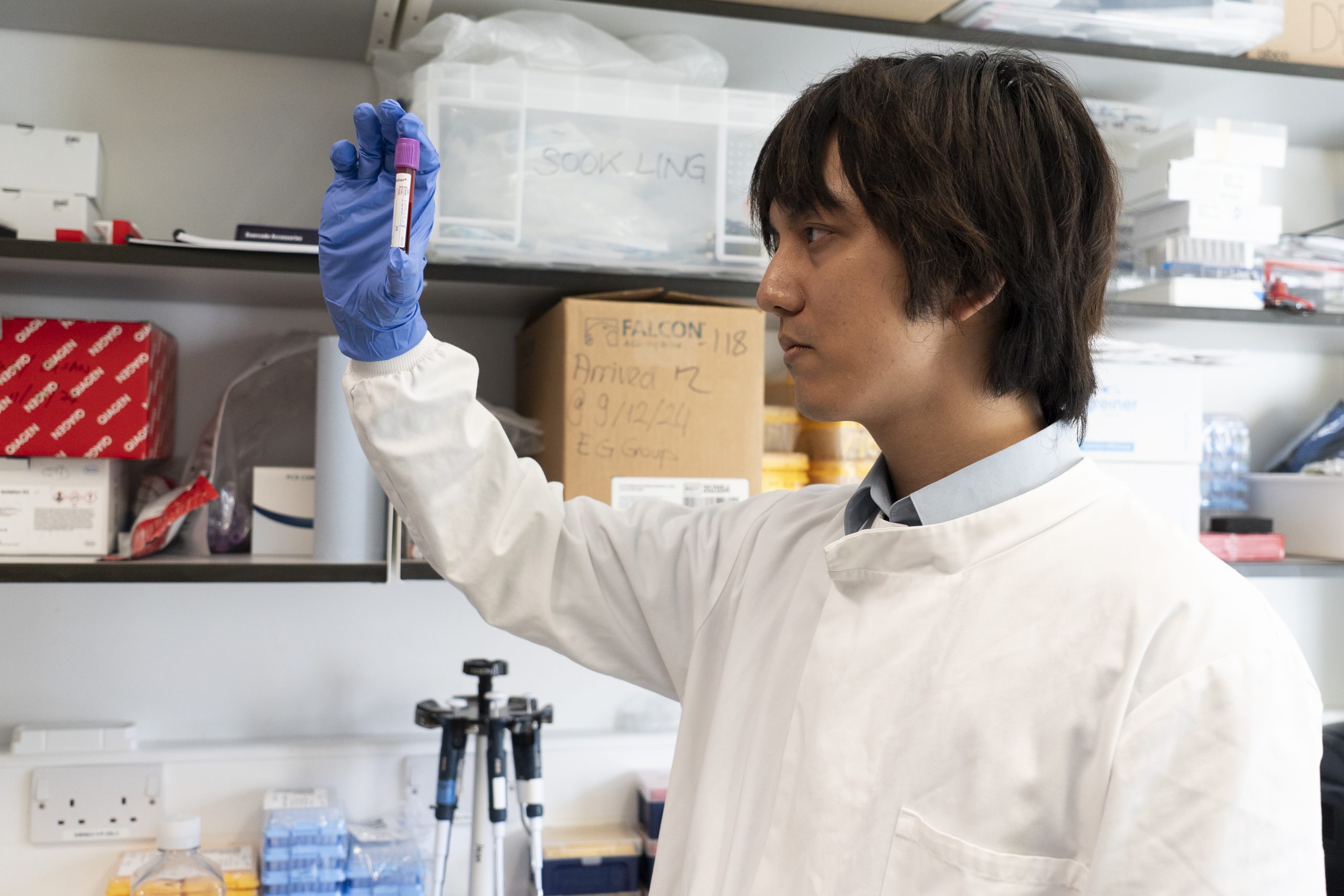
Hide, Seek, Treat: Outsmarting Gestational Trophoblastic Neoplasia with Immunotherapy
Gestational trophoblastic neoplasia (GTN) (a form of Gestational Trophoblastic Disease) is a type of malignant (cancerous) tumour that develops during or after pregnancy from cells that would normally form the placenta – the organ that feeds the growing baby. GTN is rare and also highly unusual. Whilst all other cancers grow from the body’s own cells, GTN comes from cells that belong to the placenta which genetically is part of the fetus.
Usually, cells in the body that aren’t ‘self’ are recognised as foreign & destroyed by the immune system. However, special mechanisms come in to play during pregnancy, which limits immune reactions to prevent the mother’s immune system destroying the baby and placenta. As is typical of cancers, however, GTN can hijack these mechanisms to avoid being targeted by the immune system, enabling it to grow and spread to other parts of the mother’s body.
On the flip side, GTN responds much better than other cancers to a certain type of immunotherapy, with a cure rate of around 75%. Immunotherapy works by stimulating the body's own immune system to target and kill cancer cells, which begs the obvious question: how does this treatment expose the tumour to attack by the immune system?
This is precisely the topic that Yiming Guan, a PhD student funded by the Cancer Treatment & Research Trust, is researching. Together with his coworkers, and under the supervision of Dr Ehsan Ghorani, Yiming aims to investigate the immune cell ‘landscape’ of GTN, in essence creating a directory of the types and locations of immune cells around the tumour before and after immunotherapy. The current thinking is that, in the absence of immunotherapy, GTN tumour cells send instructions to a certain type of immune cell (a CD4 T cell), telling it to adopt a more tolerant role and to talk its comrades out of mounting an immune attack; immunotherapy, however, intercepts these messages so that CD4 cells enlist in and coordinate an immune cell army to destroy the tumour cells. Precisely what determines whether these T cells behave as peacekeepers or soldiers, though, isn’t fully understood.
In the 3-year PhD project funded by CTRT, Yiming and his fellow lab mates will use state-of-the-art ‘multi-omics’ techniques to generate huge amounts of information about the biological molecules that are present in GTN tumours, and immune cells from tissue samples taken from untreated patients and from patients given the immunotherapy drug Pembrolizumab. Changes in the amounts of particular molecules and/or their whereabouts within individual tumour and immune cells could give us more insight into the mechanisms that militarize T cells against the tumours.
Since GTN responds so well to immunotherapy, these studies could uncover important principles that might help to improve this treatment for other, more common cancers that do not usually respond well to treatment.
Read More

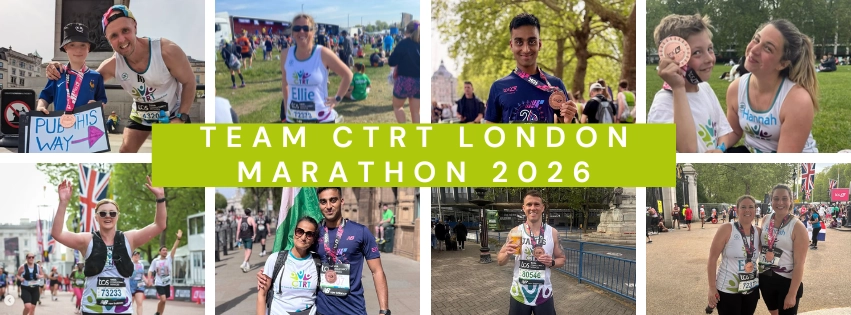
London Marathon 2026 Team CTRT
Eight fundraising heroes, one aim: to raise funds for the Cancer Treatment and Research Trust
On Sunday April 26th, eight amazing CTRT supporters joined over 59,000 other runners to complete the 46th TCS London Marathon. In doing so, Fabius, Hannah, Scott, Ellie, Reece, Ryan, Gemma and James raised an astounding £42,000 and counting for the Cancer Treatment and Research Trust, the biggest amount we have raised for an event as a charity. The money raised will help us in our mission to improve lives through research and to help patients live longer, improve their quality of life, and better manage their treatment.
It was an historic day - attracting a record-breaking number of participants (59,830) and breaking the world record for the biggest annual one-day fundraising event (£87.5 million and still counting!). A new world record was also set by Sabastian Sawe who became the first athlete to break the two-hour barrier in an official competition!
Each of our eight superstars had their own, personal reason and motivation for taking on the challenge:
Fabius ran to honour his mother Jasma, a survivor of Stage 4 brain, lung and womb cancer
Hannah who was diagnosed with Gestational Trophoblastic Disease (GTD) in 2022 and recovered under our care, ran her first marathon to raise money for our GTD research trial
Ellie completed the marathon in loving memory of her best friend who she lost to cancer two years ago
James ran to honour his wife who was diagnosed with Gestational Trophoblastic Disease (GTD) and was treated at Charing Cross Hospital
Ryan dedicated his run to his dad who was diagnosed with skin cancer and treated at Mount Vernon Cancer Centre
Scott completed the marathon to honour his dad who has been battling skin cancer since 2017
Reece dedicated his run to his sister who was diagnosed with Gestational Trophoblastic Disease (GTD) and treated at Charing Cross Hospital
Gemma ran to honour her dad who survived cancer of the salivary gland and skin cancer
Their shared goal, however — to support CTRT — will ensure that the impact of their arduous training, fantastic fundraising and successful completion of the London Marathon will extend way beyond the finish line. The vital funds raised by our incredible Team CTRT will be used to research why and how cancers develop, find better ways of detecting and monitoring cancers, and test new treatments particularly for rare cancers that don’t receive funding elsewhere.
If you’re feeling motivated by reading this, why not take a look at our Challenge Events page to find opportunities to push your limits or simply have fun to support our cause? Your participation can make a real difference.
Challenge Events - The Cancer Treatment and Research Trust
Interested in joining Team CTRT in future London Marathon races? You can find more information here (The London Marathon - The Cancer Treatment and Research Trust) on how to take part.
Read More